Dental bonding vs veneers compares a direct tooth-colored resin treatment with custom coverings bonded to the front of teeth. Bonding is often completed in one visit with little or no enamel removal and can work well for small chips, gaps, or shape changes. Porcelain veneers generally require more planning and tooth preparation, but they can offer greater color stability and a highly customized appearance.
Neither option is automatically better. At Smile Maker PA in Southampton, PA, the recommendation depends on the size of the change, enamel condition, bite forces, number of teeth, color goals, maintenance expectations, and budget.
Dental bonding vs veneers: quick comparison
| Factor | Dental bonding | Porcelain veneers |
|---|---|---|
| Material | Composite resin placed directly on the tooth | Custom ceramic shell made outside the mouth |
| Tooth preparation | Often minimal | Usually requires removal of some enamel |
| Timing | Often one visit | Commonly multiple steps or visits |
| Stain resistance | Can stain over time | Generally more stain-resistant |
| Repair | Often repaired or added to directly | May require laboratory repair or replacement |
| Best for | Small chips, gaps, and limited contour changes | Broader color, proportion, and shape changes |
| Cost | Usually lower initially | Usually higher initially |
1. How the treatments work
With dental bonding, the dentist selects a composite shade, prepares the surface, applies tooth-colored resin, shapes it, hardens it with a curing light, and polishes it. The material is built directly on the tooth.
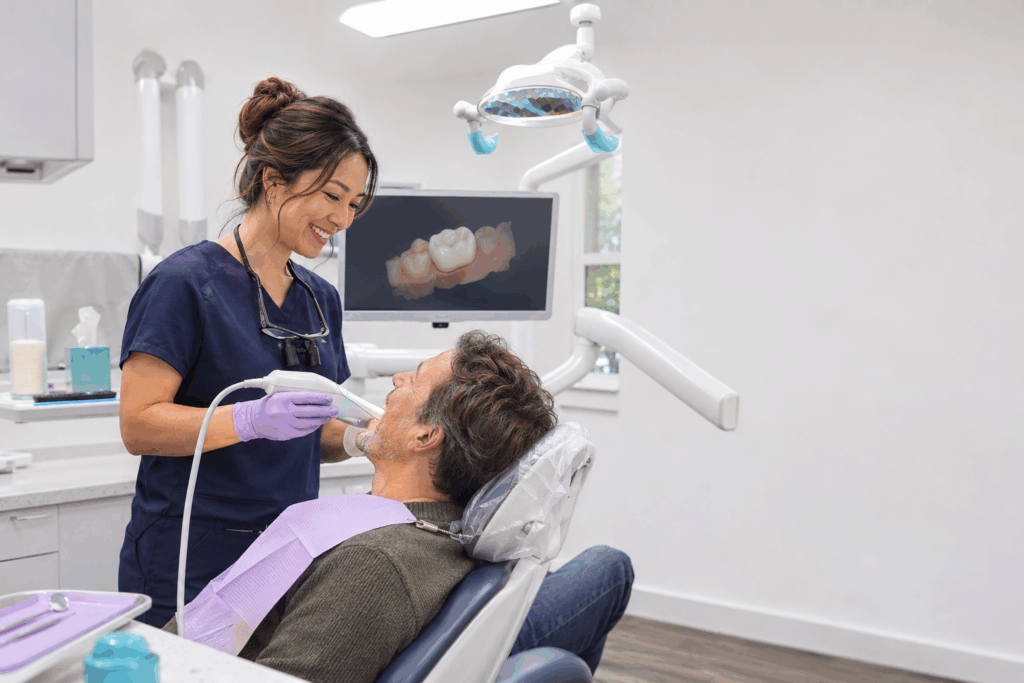
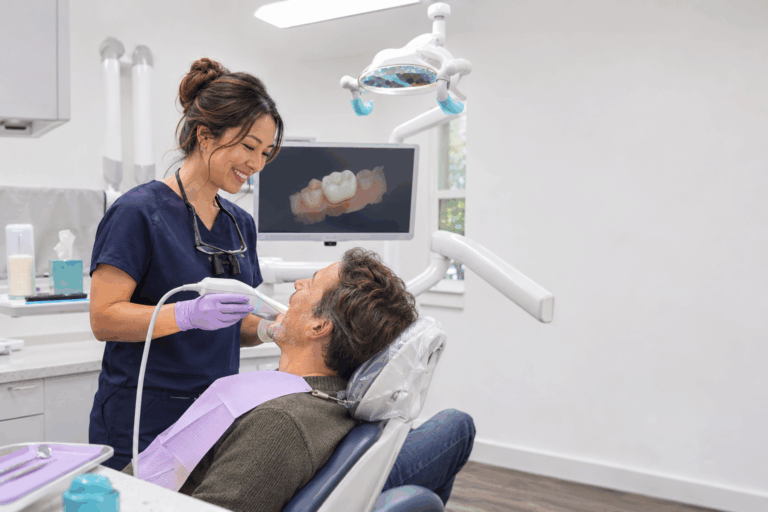
With porcelain veneers, the dentist plans the new shape and color, prepares the tooth when necessary, takes a scan or impression, and works with a laboratory to fabricate a custom ceramic shell. The final veneer is evaluated and bonded to the tooth.
2. Tooth preparation and reversibility
Bonding often preserves more natural enamel because the resin can be added with limited preparation. It may be modified or repaired, although removing bonded resin without affecting the tooth still requires professional care.
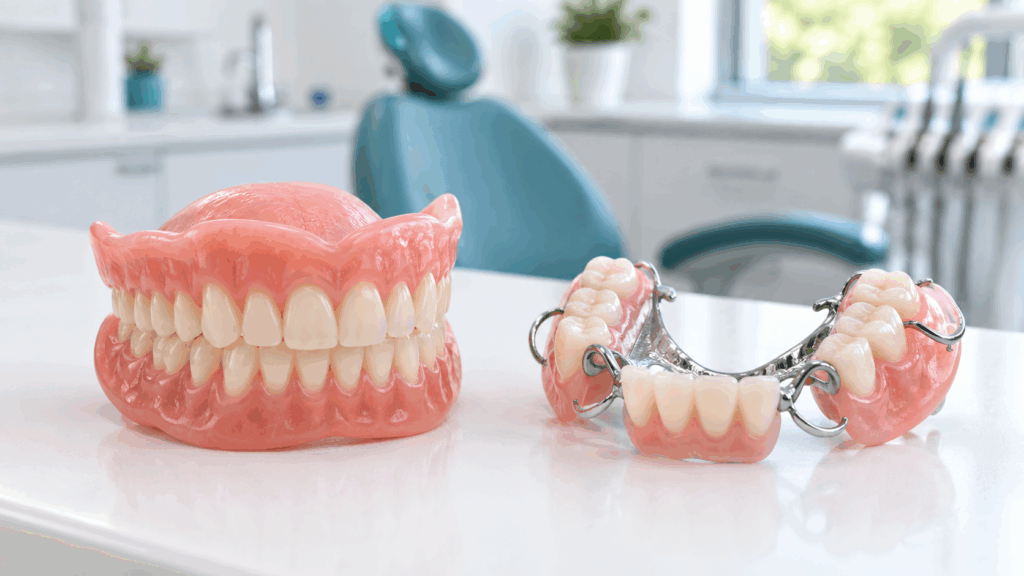
Porcelain veneers commonly require a small amount of enamel to be removed. The American Dental Association explains in its veneer overview that this makes treatment irreversible. Once a tooth is prepared, it will continue to need a veneer or another restoration.
For a dental bonding vs veneers decision, the amount of healthy tooth structure involved should be discussed clearly.
3. Appearance and color stability
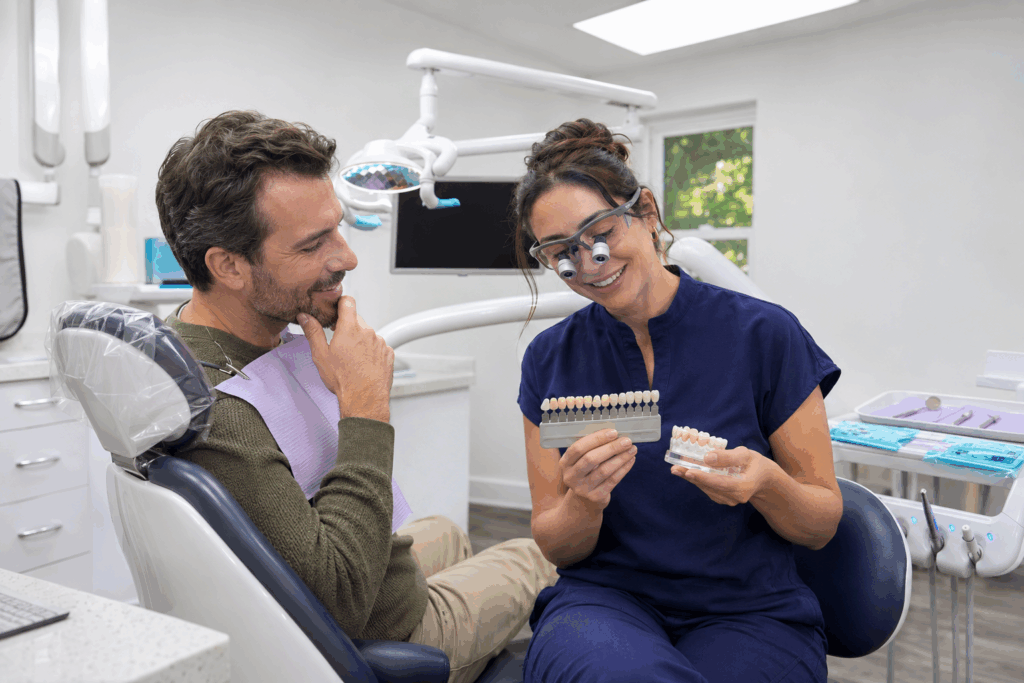
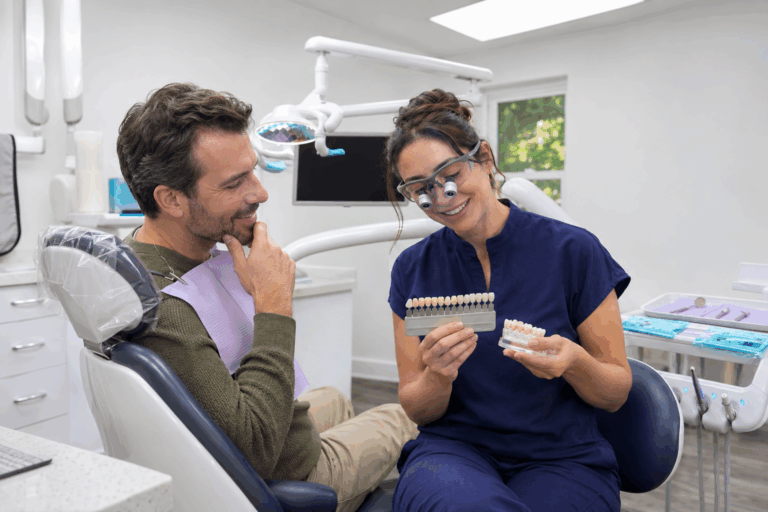
Both materials can be matched to nearby teeth. Composite resin can look natural, especially for a small repair, but it may absorb stains and lose polish over time. Porcelain can reproduce translucency and surface texture and generally resists staining better.
Neither material whitens with bleaching gel. If natural teeth will be professionally whitened, whitening is often considered before the final bonding or veneer shade is selected.
4. Durability and maintenance
Bonding can chip, wear, roughen, or discolor. Large bonded edges and patients who grind their teeth may need more frequent maintenance. Small repairs can often be made directly, although replacement may be more predictable when damage is extensive.
Porcelain veneers are strong once bonded, but they are not indestructible. They can chip, crack, debond, or eventually need replacement. Biting hard objects, nail biting, trauma, and tooth grinding increase risk for both options.
Good brushing, daily interdental cleaning, regular examinations, and a protective night guard when prescribed support either treatment.
5. Treatment time
Bonding is often completed in a single appointment because the dentist shapes the resin directly. Complex cases or several teeth may require more than one visit.
Porcelain veneers generally involve records and design, preparation, a scan or impression, temporary restorations when needed, laboratory fabrication, and final bonding. This process offers more laboratory customization but takes longer.
If timing matters, ask whether the proposed dental bonding vs veneers plan includes temporary restorations and how many visits are expected.
6. Candidacy and limitations
Bonding may be suitable for:
- Small chips or worn edges
- Limited gaps
- Minor contour or proportion changes
- Localized discoloration that composite can mask
- Conservative repair of an otherwise healthy tooth
Veneers may be considered for:
- Several teeth needing coordinated color or shape changes
- More extensive wear or surface defects
- Cases where greater stain resistance is important
- Smile designs requiring laboratory-controlled contours
Active decay and gum disease should be treated first. Significant cracks, large fillings, or weak teeth may need crowns instead. When tooth position is the main issue, Invisalign may preserve more enamel than masking alignment with restorations.
7. Dental bonding vs veneers cost
Dental bonding usually has a lower initial fee because it is placed directly and does not require a laboratory-made ceramic restoration. Veneers cost more because of planning, preparation, temporary restorations, ceramic material, and laboratory work.
Long-term cost includes maintenance. Bonding may need polishing, repair, or replacement sooner. Veneers may last longer in appropriate cases but are more expensive to replace. Insurance often considers cosmetic treatment elective, although benefits vary.
Compare the complete plan rather than the initial fee alone. Ask how many teeth are included, what maintenance is expected, whether a night guard is recommended, and what alternatives could reach the goal.
Choosing the most conservative effective option
The best dental bonding vs veneers choice is the least invasive option that can predictably achieve a healthy, maintainable result. A small chip may need only bonding. Multiple teeth with significant color and proportion concerns may benefit from veneers. Some smiles need whitening, alignment, gum care, or no cosmetic treatment at all.
Schedule a cosmetic dentistry consultation
To compare bonding and veneers for your smile, call Smile Maker PA at (215) 969-2015, contact the office, or request a Dental Appointment.
FAQ about dental bonding vs veneers
Which looks more natural?
Both can look natural when properly planned. Porcelain offers laboratory control of translucency and texture, while bonding can blend very well for small localized repairs.
Does bonding damage the tooth?
Bonding often requires little enamel removal, but treatment still modifies the tooth surface and should be performed and maintained by a dentist.
Can bonding be changed to veneers later?
Often yes, but the tooth, existing resin, enamel, bite, and reason for replacement must be evaluated. Additional preparation may be necessary.
Which lasts longer?
Porcelain veneers generally resist staining and wear better, but longevity varies. Bite forces, habits, oral hygiene, material thickness, and trauma affect both options.
Can veneers fix crooked teeth?
Veneers can change the visible shape of selected teeth but do not move roots or correct every bite problem. Orthodontic treatment may be healthier when alignment is the primary concern.
Is bonding cheaper than veneers?
Bonding usually costs less initially. Long-term value depends on the size of the repair and how often it needs polishing, repair, or replacement.