Root canal treatment cost depends on which tooth needs care, the number and shape of its canals, the severity of infection, whether retreatment is needed, and how the tooth will be restored afterward. Front teeth are often less complex than molars, but only an examination and imaging can determine the actual treatment plan. Recovery is usually measured in days, while the final crown or other restoration may require additional care.
Smile Maker PA evaluates tooth pain and possible root canal needs in Southampton, PA. Prompt diagnosis matters because untreated inflammation or infection can worsen and may reduce the chance of saving the tooth.
Root canal treatment cost: quick answer
The total plan may include more than the root canal procedure. An examination, X-rays or three-dimensional imaging, buildup, crown, medications when indicated, and follow-up can affect the complete fee. A useful root canal treatment cost estimate separates these services so patients can compare the complete plan.
| Cost factor | Why it matters |
|---|---|
| Tooth location | Molars usually have more canals and complex access |
| Canal anatomy | Curved, narrow, calcified, or unusual canals take more time |
| First treatment or retreatment | Removing old materials can add complexity |
| Infection or damage | Abscess, fracture, or limited tooth structure changes planning |
| Restoration | A filling, buildup, or crown may be needed afterward |
| Provider and referral | Some cases are referred to an endodontist |
| Insurance | Deductibles, coverage percentages, and annual limits vary |
Why a root canal may be recommended
Inside each tooth is soft tissue called pulp. Deep decay, a crack, trauma, repeated treatment, or a failed restoration can inflame or infect this tissue. Symptoms may include lingering temperature sensitivity, pain when biting, spontaneous pain, swelling, a gum pimple, or tooth discoloration. Some damaged teeth have few symptoms and are identified on an examination or X-ray.
Root canal treatment removes inflamed or infected pulp, cleans and shapes the internal space, and seals it. A filling or crown then restores and protects the tooth.
What happens during treatment?
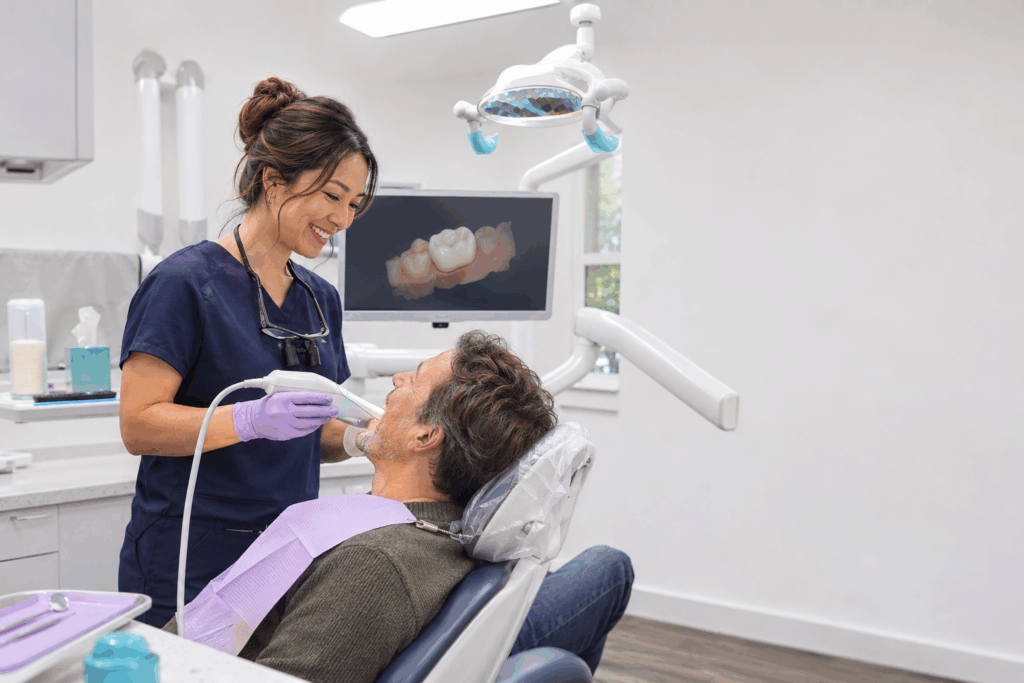
The dentist or endodontist examines the tooth and takes radiographs. Local anesthetic is used, and a dental dam isolates the tooth. An opening is made so small instruments can clean and shape the canals. The space is disinfected, filled, and sealed. A temporary or permanent restoration closes the opening.
The American Association of Endodontists explains that treatment is often completed in one or two visits and that a crown or other restoration is commonly placed afterward to protect the tooth. The sequence varies with infection, anatomy, symptoms, and restorative needs.
Seven factors that affect root canal treatment cost
1. Which tooth needs treatment?
Front teeth often have fewer canals. Premolars and molars may have multiple roots and canals, making treatment more complex. Tooth location also affects access.
2. Is this the first root canal?
Retreatment may require removal of a crown, post, filling material, or separated instrument before the canals can be cleaned again. Complex retreatment may be referred to endodontic services.
3. Is the tooth cracked or badly damaged?
A tooth needs enough healthy structure to support a final restoration. Some cracks can be treated; others extend too deeply for predictable repair. The evaluation should address whether the tooth can be restored before treatment begins.
4. Is there an abscess or swelling?
Infection may require drainage, additional visits, or urgent care. Antibiotics are not a substitute for dental treatment when the source is inside the tooth, although they may be prescribed in selected situations.
5. Will the tooth need a crown?
Back teeth and teeth with substantial structure loss commonly need a dental crown after root canal treatment. A buildup or post may also be needed. The restoration is often billed separately from the root canal.
6. What does insurance cover?
Plans vary in deductible, percentage, waiting period, frequency rules, and annual maximum. Ask for estimates for both the root canal and final restoration. Root canal treatment cost after insurance cannot be confirmed until the plan processes or reviews the claim. Review Smile Maker PA's financing and insurance information if needed.
7. Is specialist care required?
Complex anatomy, retreatment, trauma, resorption, or difficult access may require an endodontist. Specialist fees can differ, but referral may improve access to specialized equipment and experience for a difficult case.
Root canal recovery timeline
Numbness commonly lasts for several hours. Avoid chewing until sensation returns so you do not bite your cheek or tongue. Mild tenderness around the tooth or jaw can occur for a few days and should gradually improve.
Follow the medication instructions provided for your health history. Do not exceed label directions or combine medicines unless a clinician has confirmed that it is safe for you. Avoid hard chewing on the treated tooth until it has received its permanent restoration.
Most patients can return to routine activities soon, but recovery differs. The condition of the tooth before treatment, infection, bite, and procedure complexity can affect tenderness.
Warning signs after a root canal
Contact the dental office for:
- Severe pain or pressure lasting more than a few days
- Visible swelling inside or outside the mouth
- Symptoms that worsen after initially improving
- A bite that feels high or uneven
- Loss of a temporary filling or crown
- Return of the original symptoms
- Rash, hives, itching, or another possible medication reaction
Trouble breathing or swallowing, rapidly spreading facial swelling, severe uncontrolled bleeding, or a major facial injury requires emergency medical attention. Call 911 or go to the nearest emergency department.
Root canal treatment versus extraction
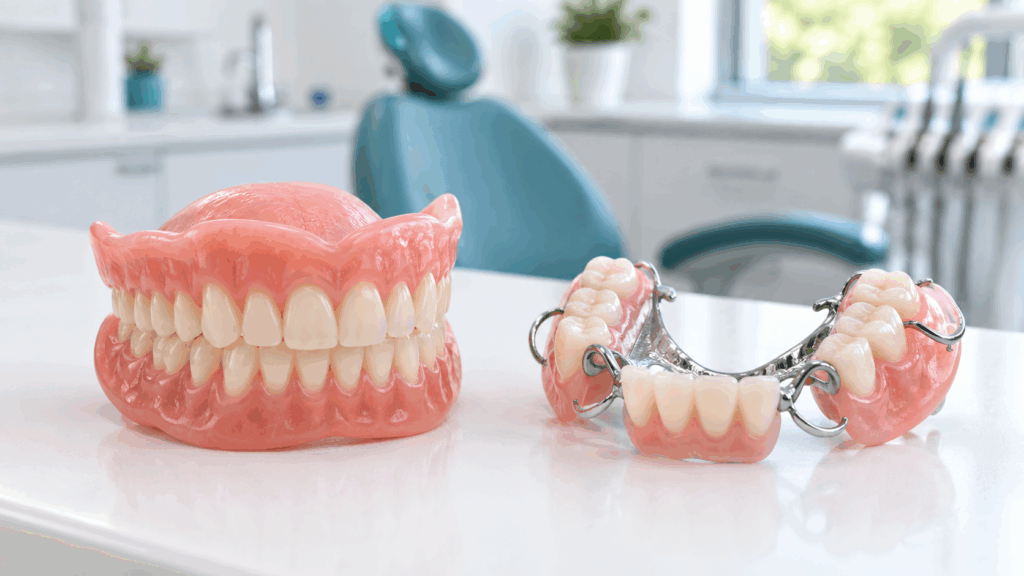
Saving a restorable natural tooth may avoid a gap and the need for an implant, bridge, or removable replacement. Extraction may be recommended when a tooth has a non-restorable fracture, insufficient structure, severe periodontal support loss, or another condition with a poor prognosis.
Compare the complete cost of each pathway. A complete root canal treatment cost comparison includes the final restoration, while an extraction comparison includes any implant, bridge, or removable replacement. Extraction alone may have a lower immediate fee, but replacing the missing tooth adds treatment and cost. The decision should consider predictability, function, neighboring teeth, bone, and personal health.
Protecting the tooth after treatment
Complete the permanent restoration promptly. Until then, the tooth may be more vulnerable to fracture. Brush and floss gently, attend follow-up visits, and avoid using the treated tooth to bite hard objects.
Once restored, the tooth still needs routine dental care. Decay, gum disease, fracture, or recurrent infection can affect a root canal-treated tooth just as other problems affect natural teeth.
Schedule a root canal evaluation
For tooth pain, lingering sensitivity, swelling, or a suspected infection, call Smile Maker PA at (215) 969-2015. You can also request a Dental Appointment, but call first for an urgent problem.
FAQ about root canal treatment cost and recovery
Is a root canal more expensive than an extraction?
The root canal and final restoration may cost more than extraction alone. However, replacing an extracted tooth with an implant or bridge can make the full extraction pathway more expensive.
Does insurance cover root canal treatment?
Many dental plans provide partial coverage, but deductibles, percentages, annual limits, and waiting periods vary. The crown may be a separate benefit.
How long does root canal recovery take?
Mild tenderness often improves within a few days. Severe, increasing, or persistent pain and swelling should be evaluated.
Is a crown always needed afterward?
Not every tooth requires the same restoration, but molars and structurally weakened teeth commonly need crowns. The dentist bases the recommendation on remaining tooth structure and bite forces.
Can I work after a root canal?
Many patients return to normal activities the same day. Individual recovery, sedation, pain, and job requirements may change that advice.
What happens if I delay treatment?
Inflammation or infection can worsen, pain may increase, and the tooth may become less restorable. Swelling can spread. Prompt examination provides the best information about whether the tooth can be saved.