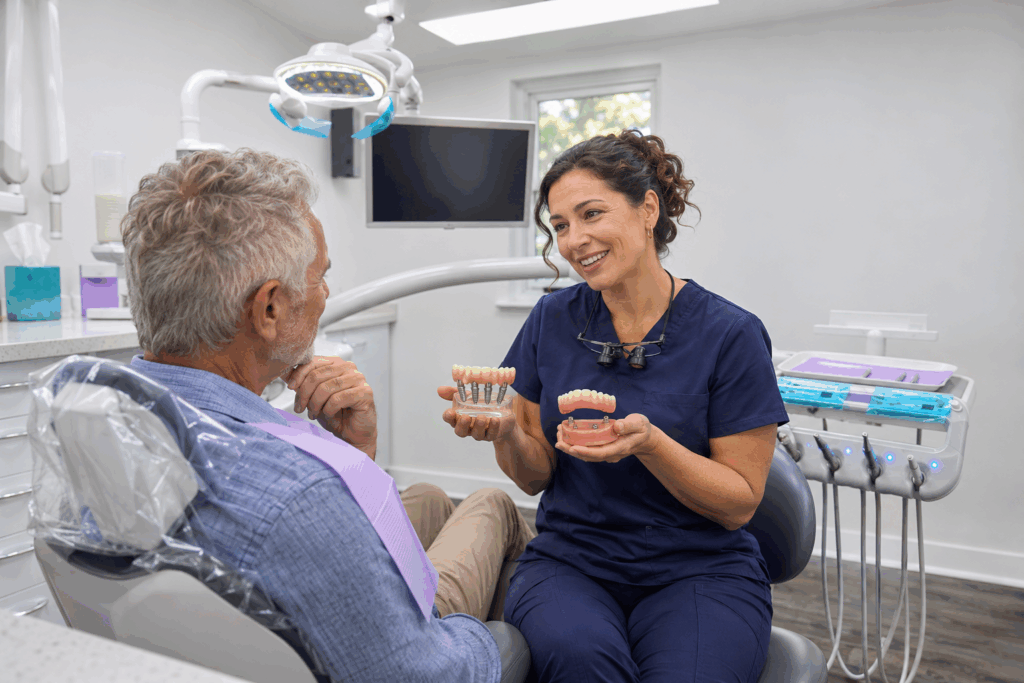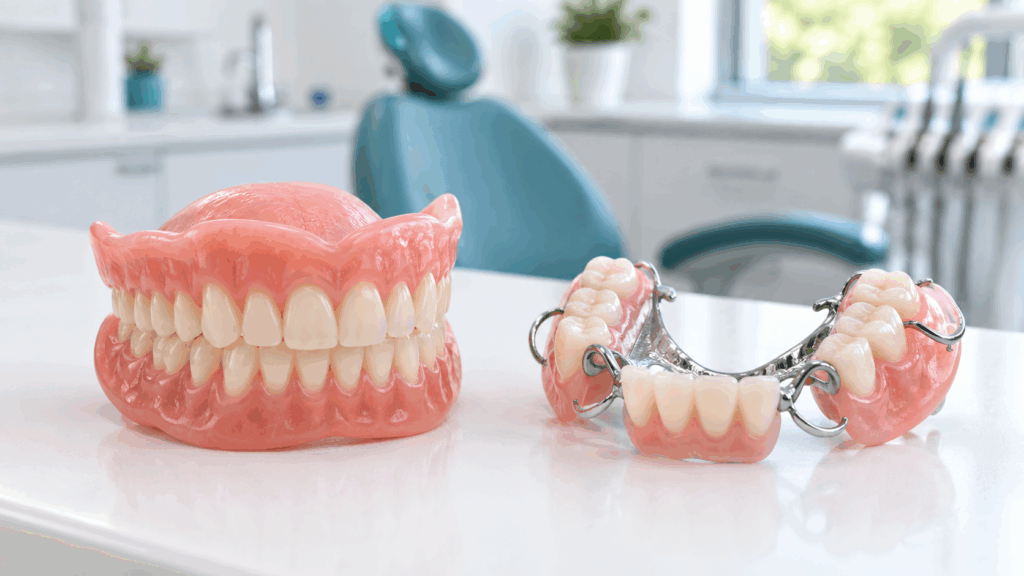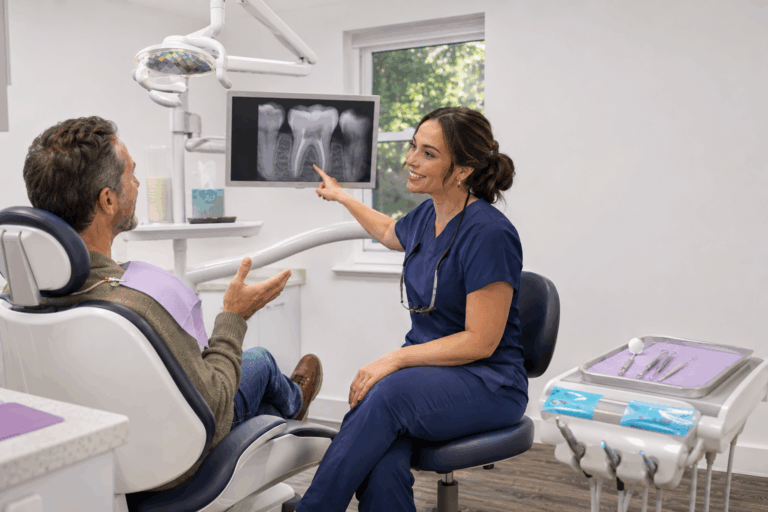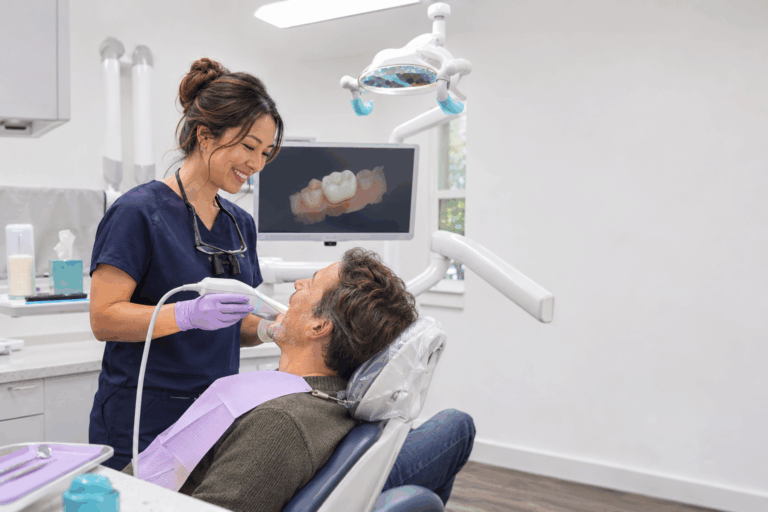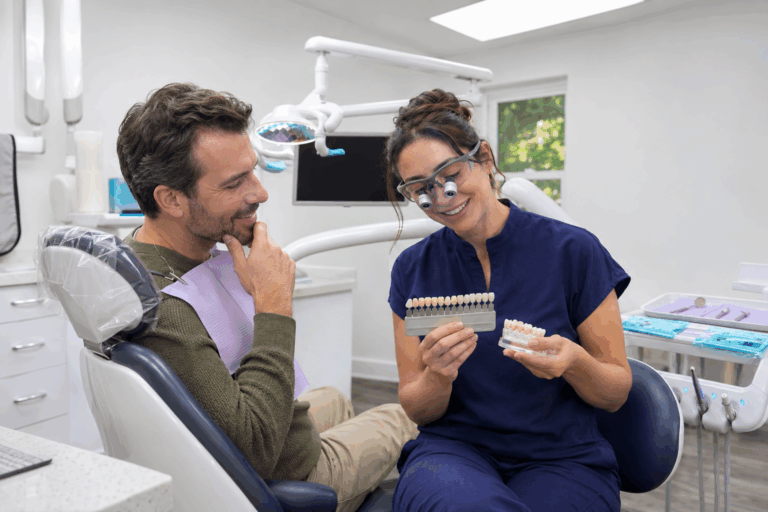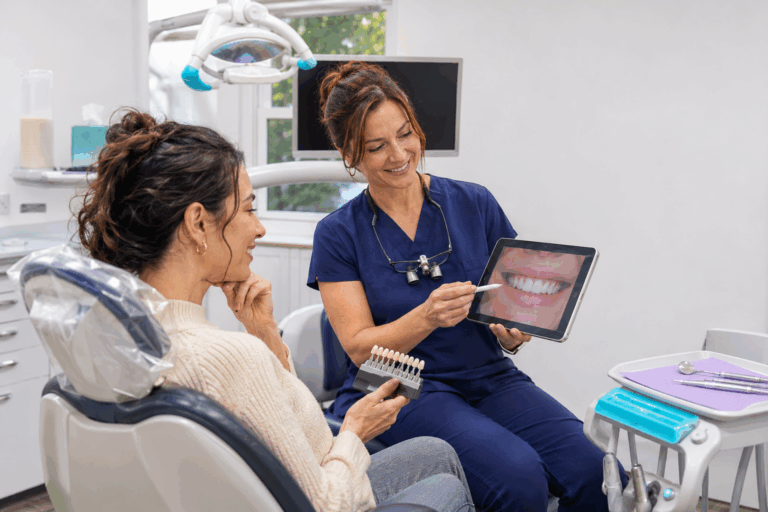
Porcelain veneers cost varies because treatment is customized to the teeth being treated, the condition of the mouth, and the result being planned. The number of veneers is only one factor. Diagnostic records, enamel preparation, temporary restorations, material selection, laboratory work, bite adjustments, and care needed before treatment can all affect the total fee.
Smile Maker PA evaluates each smile in Southampton, PA before providing an estimate. A consultation should clarify what is included, whether another treatment could meet the same goal, and how veneers may affect the teeth long term.
Porcelain veneers cost: quick answer
There is no responsible one-price answer without an examination. Treating one chipped tooth is different from designing a coordinated smile across several front teeth. A written plan should identify the number of teeth, preparation, temporaries, final material, laboratory steps, and follow-up care.
| Price factor | Why it matters |
|---|---|
| Number of veneers | Each tooth requires individual design and fabrication |
| Complexity | Rotation, spacing, wear, and bite concerns can add planning |
| Existing dental health | Decay or gum disease should be treated first |
| Preparation | The amount and type of enamel preparation varies |
| Records and previews | Photos, scans, models, or mock-ups may be used |
| Laboratory and material | Ceramic selection and technician work affect the result |
| Supporting treatment | Whitening, bonding, gum care, or a night guard may be recommended |
1. How many teeth are included?
Porcelain veneers cost usually increases with the number of teeth treated, but choosing the number is not simply a matter of buying a package. The visible smile line, tooth proportions, color, existing restorations, and symmetry determine which teeth should be included.
A single veneer may restore a localized defect. Several veneers may be planned when color or proportions need to blend across the smile. Treating too few teeth can create a mismatch, while treating healthy teeth unnecessarily removes more enamel than needed.
2. What condition are the teeth and gums in?
Veneers are cosmetic restorations, not a way to hide active disease. Cavities, gum inflammation, infection, significant cracks, and unstable bite problems should be evaluated first. Teeth with large existing restorations may need a crown instead of a veneer.
The American Dental Association's veneers guidance explains that decay and gum disease should be treated before veneers are placed. This supporting care can affect the full treatment budget even when it is not part of the veneer fee itself.
3. How much preparation is needed?
Porcelain veneers are thin shells bonded to the front of teeth. A small amount of enamel is commonly removed to create space and proper contours. The amount depends on the tooth position, planned color change, existing enamel, and restoration design.
Because enamel removal makes treatment irreversible, conservative planning matters. Marketing terms such as no-prep or minimal-prep do not guarantee that an approach is appropriate. The dentist must evaluate whether the final shape will look natural and protect gum health.
4. What records and smile design are included?
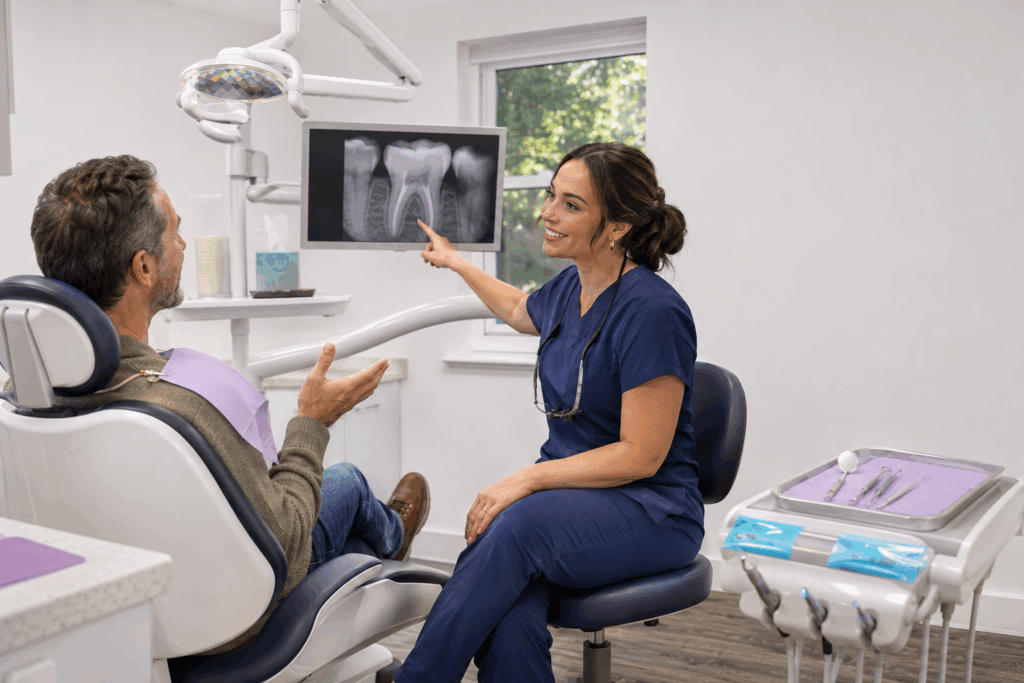
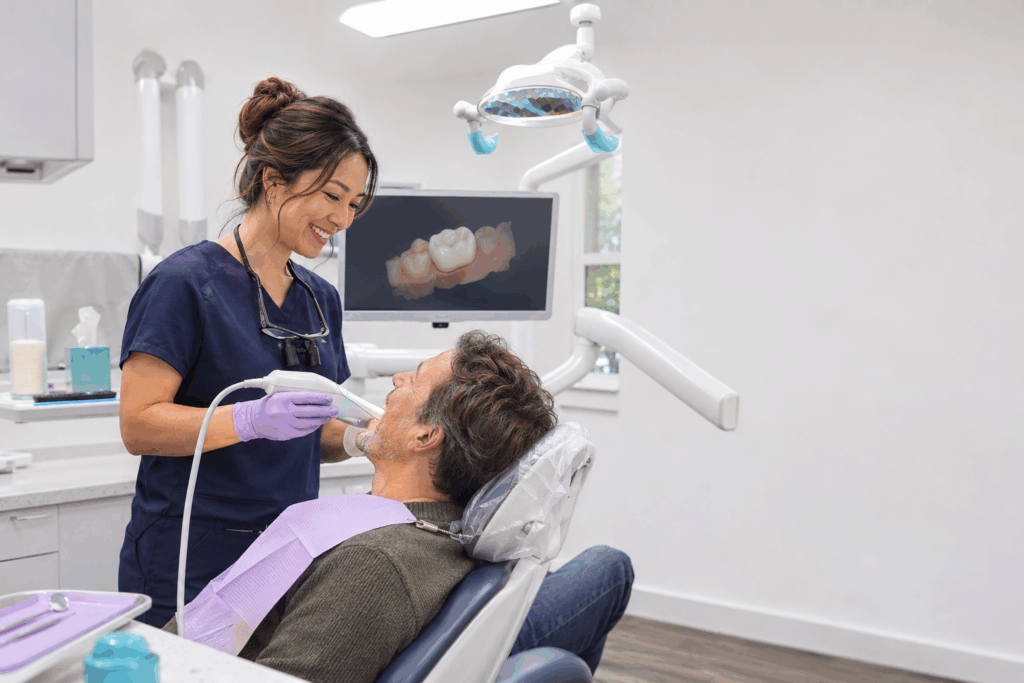
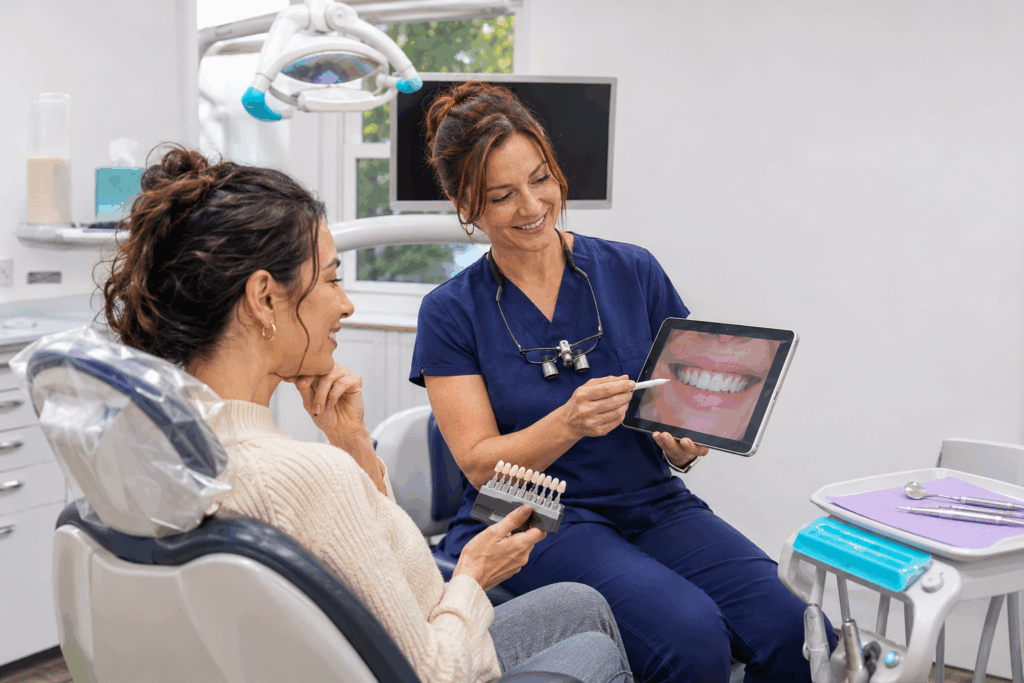
Photographs, digital scans, bite records, diagnostic models, and a trial smile or mock-up may be used to plan treatment. These steps help evaluate tooth length, proportions, speech, bite, and how the proposed smile relates to the face.
Detailed planning can change porcelain veneers cost, but it also gives the patient and dentist a clearer way to discuss expectations before teeth are prepared. Ask whether previews, temporary veneers, and adjustment visits are included.
5. Which ceramic and laboratory process are used?
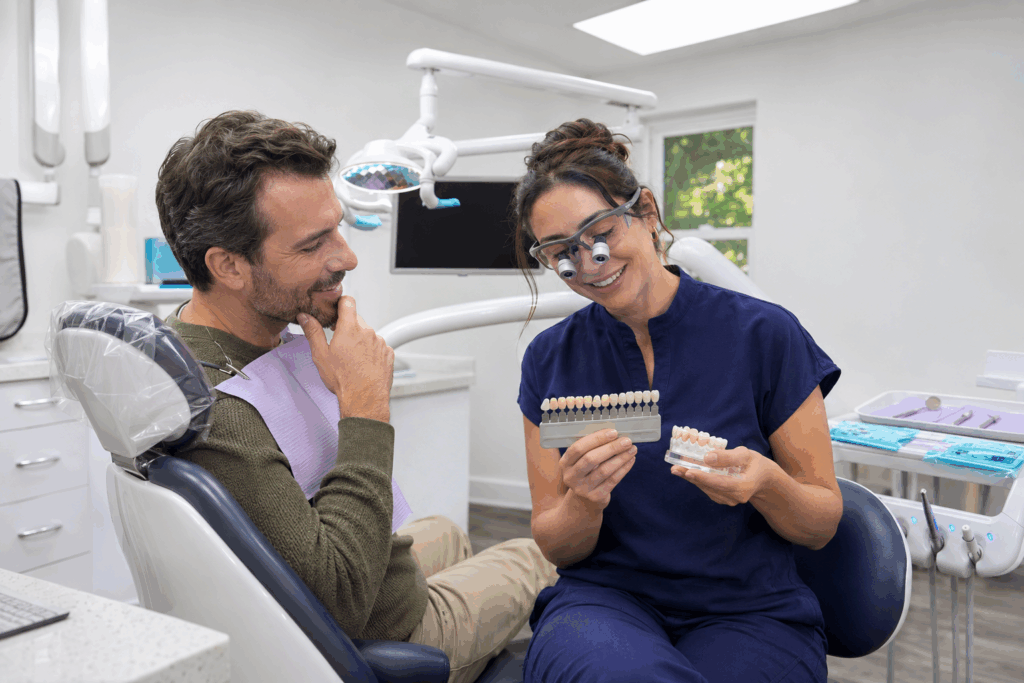
Different dental ceramics have different optical and strength characteristics. The dentist and laboratory choose material based on the amount of color masking needed, bite forces, preparation design, and aesthetic goals.
Porcelain veneers require individualized laboratory work. Color layering, surface texture, translucency, edge design, and matching nearby teeth all affect the final appearance. The least expensive restoration is not necessarily the best value if it does not fit, function, or blend well.
6. Are temporary veneers needed?
Temporary veneers may protect prepared teeth and preview the planned length and shape while the final restorations are made. They can also help identify speech or bite adjustments.
Temporary restorations are not as strong or stain-resistant as final porcelain. Ask how to care for them, what to do if one loosens, and whether the temporary phase is included in the quoted porcelain veneers cost.
7. Will other cosmetic treatment improve the plan?
Not every visible tooth needs a veneer. Professional teeth whitening may improve the color of untreated teeth before the veneer shade is selected. Dental bonding may be a conservative option for small chips or limited shape changes.
Orthodontic movement can sometimes reduce the amount of enamel that would otherwise need to be removed. The strongest plan may combine treatments rather than placing veneers on every concern.
Insurance and payment considerations
Dental insurance often treats veneers as elective cosmetic care, although coverage rules vary. Ask the office to explain the estimate and any benefits that may apply to supporting treatment. Review financing and insurance options before scheduling.
A complete porcelain veneers cost estimate should state whether it includes records, temporary veneers, laboratory fabrication, placement, follow-up adjustments, and a protective night guard if recommended.
How long do porcelain veneers last?
Veneers are not lifetime restorations. They may chip, loosen, wear, or eventually need replacement. Longevity depends on enamel bonding, bite forces, grinding, oral hygiene, diet, trauma, and maintenance.
Brush with fluoride toothpaste, clean between teeth, avoid using teeth as tools, and wear a night guard if prescribed. Cavities can still develop at veneer margins or on uncovered tooth surfaces.
Schedule a veneer consultation
To receive a personalized estimate for porcelain veneers in Southampton, call Smile Maker PA at (215) 969-2015 or request a Dental Appointment.
FAQ about porcelain veneers cost
How much does one porcelain veneer cost?
The fee varies by tooth condition, preparation, material, laboratory work, and location. An examination is needed for an accurate estimate.
Are porcelain veneers covered by insurance?
They are frequently considered cosmetic and may not be covered. Benefits vary, so the treatment plan and insurance policy should be reviewed before treatment.
Is a full set of veneers necessary?
No. The number depends on the smile line, goals, color match, tooth condition, and alternative treatments. Some patients need one veneer; others need several for a coordinated result.
Are low-cost veneers safe?
Price alone does not determine safety. A licensed dentist should examine the teeth and gums, explain irreversible enamel removal, and provide a plan for fit, bite, maintenance, and future replacement.
Do no-prep veneers cost less?
Not necessarily. They still require planning and custom fabrication, and they are not suitable for every tooth position or cosmetic goal.
Can bonding reduce the cost of a smile makeover?
It may for small changes, but composite bonding has different stain resistance, strength, and maintenance needs. The dentist can compare bonding and veneers for each tooth.